
12 Ways to Design a Low-Maintenance Bathroom
A bathroom will never be maintenance-free, but good design can reduce the surfaces, joints and awkward corners that collect moisture and grime. The aim is not a sterile room. It is a durable, well-ventilated space that is straightforward to clean and simple to repair.

Seed House bathroom by Whisker Architecture, featured on Houzz.
The easiest bathroom to maintain is the one designed around water, access and everyday habits from the beginning.
12 practical design decisions
1. Vent moisture outdoors
Specify effective mechanical exhaust that discharges outside, not into the roof space. Fan capacity, duct length, bends, make-up air and controls should be considered together. A run-on timer or humidity control can help the fan continue after a shower.
2. Reduce unnecessary grout joints
Larger tiles generally mean fewer grout lines to clean. Tile size still needs to suit falls, set-out, movement joints and the dimensions of the room, particularly on a shower floor.
3. Choose finishes for the way the room will be used
Porcelain and other low-porosity finishes are often practical in wet areas. Natural stone can also work, but sealing and maintenance requirements vary. Follow the supplier's instructions rather than assuming every product is equally forgiving.
4. Keep junctions simple
Complicated ledges, tight gaps and decorative grooves collect water and dust. Simple junctions are usually easier to wipe down and easier for trades to detail well.
5. Consider wall-mounted tapware
Wall-mounted basin mixers free the benchtop around the basin. They require careful coordination inside the wall, so the rough-in dimensions, waterproofing and future access need to be resolved before installation.
6. Choose a basin without hard-to-clean edges
The basin shape, overflow, waste and junction with the benchtop all affect cleaning. An integrated or undermount basin can reduce exposed edges, but the right choice depends on material, cost and repairability.
7. Question whether you need two basins
A second basin adds another waste, mixer and set of edges to clean. For many households, one generous basin with useful bench space and storage works better. For others, two basins genuinely improve busy mornings. Design for the household, not the showroom.
8. Minimise shower-screen hardware
Frameless or semi-frameless screens can reduce channels and overlapping pieces where residue builds up. The glass still needs cleaning, and its size and support must be safely designed.
9. Include a hand shower
A hand shower is useful for rinsing walls, screens and the shower floor, as well as for children, pets or assisted bathing. Locate it where the hose reaches the areas you intend to clean.
10. Avoid an inaccessible gap around the bath
If there is not enough room to clean behind and beside a freestanding bath, a back-to-wall or built-in bath may be more practical. The junctions still need correct waterproofing and sealing.
11. Select an easy-clean toilet profile
A back-to-wall pan or wall-hung pan can reduce exposed pipework and awkward floor junctions. Concealed cisterns need a planned access point for servicing, and wall-hung pans require suitable structure.
12. Plan storage and service access
Store daily items where they can be reached without covering the benchtop. At the same time, preserve access to cisterns, traps, isolation valves, fans and other components that may eventually need repair.
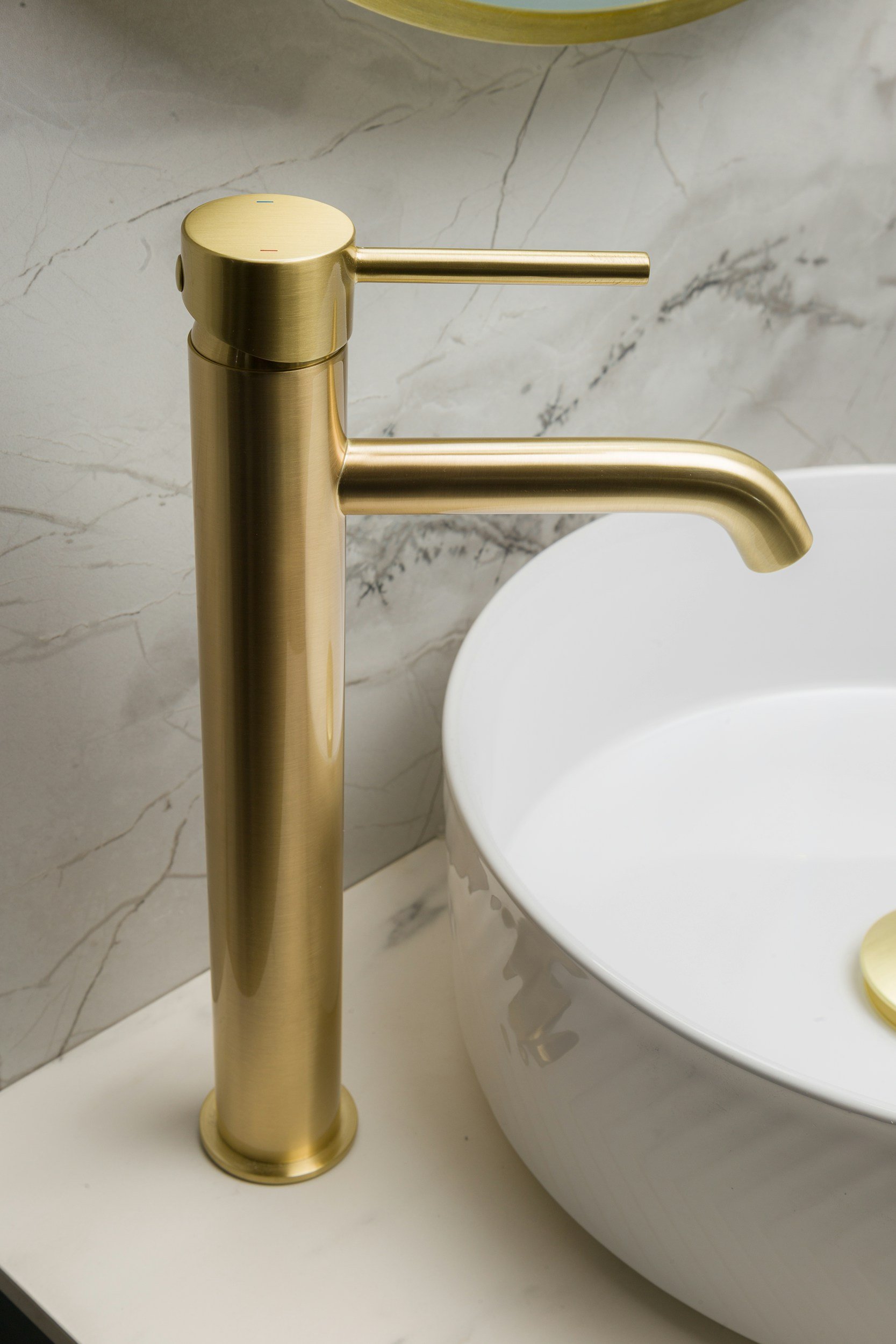
Basin-mounted mixers can be beautiful, but the junction around the base often needs more frequent cleaning than a wall-mounted alternative.

Richmond Terrace bathroom by Whisker Architecture, with a wall-mounted mixer, large-format floor tiles and a back-to-wall bath.

A freestanding bath needs enough clearance to clean around it. Where that space is unavailable, a back-to-wall model may be the more practical choice.
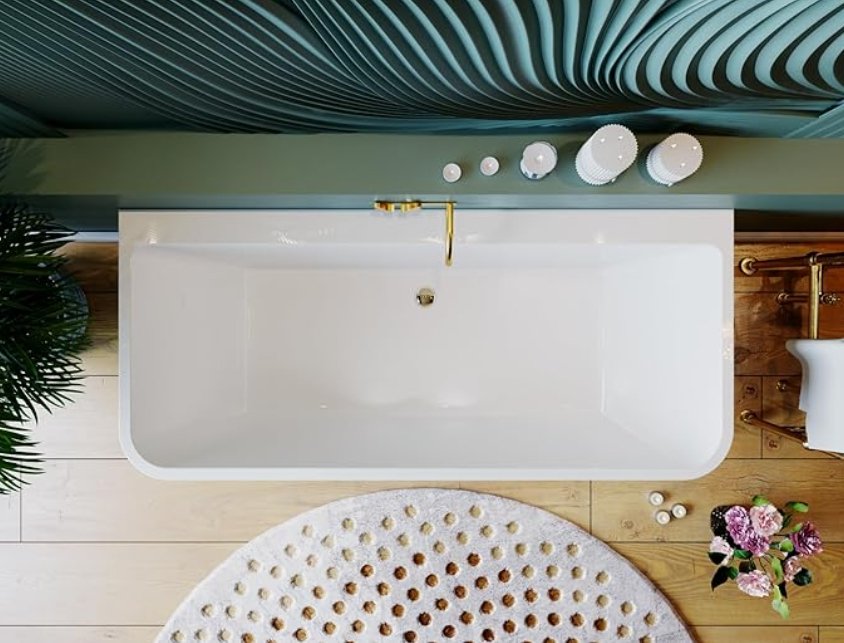
A back-to-wall bath removes the narrow gap behind the bath, provided the wall junction is detailed and sealed correctly.

Plan the bathroom as part of the whole home
A bathroom works best when its storage, circulation, accessibility, ventilation and budget are considered alongside the rest of the home. Decisions that look minor in isolation can affect structure, plumbing, waterproofing and adjoining rooms.
Our Home Masterplan Report tests the broader brief, layout options, site constraints and early budget before a major renovation or new home moves into full design.
Examples of low-maintenance bathrooms
Richmond Terrace, Whisker Architecture
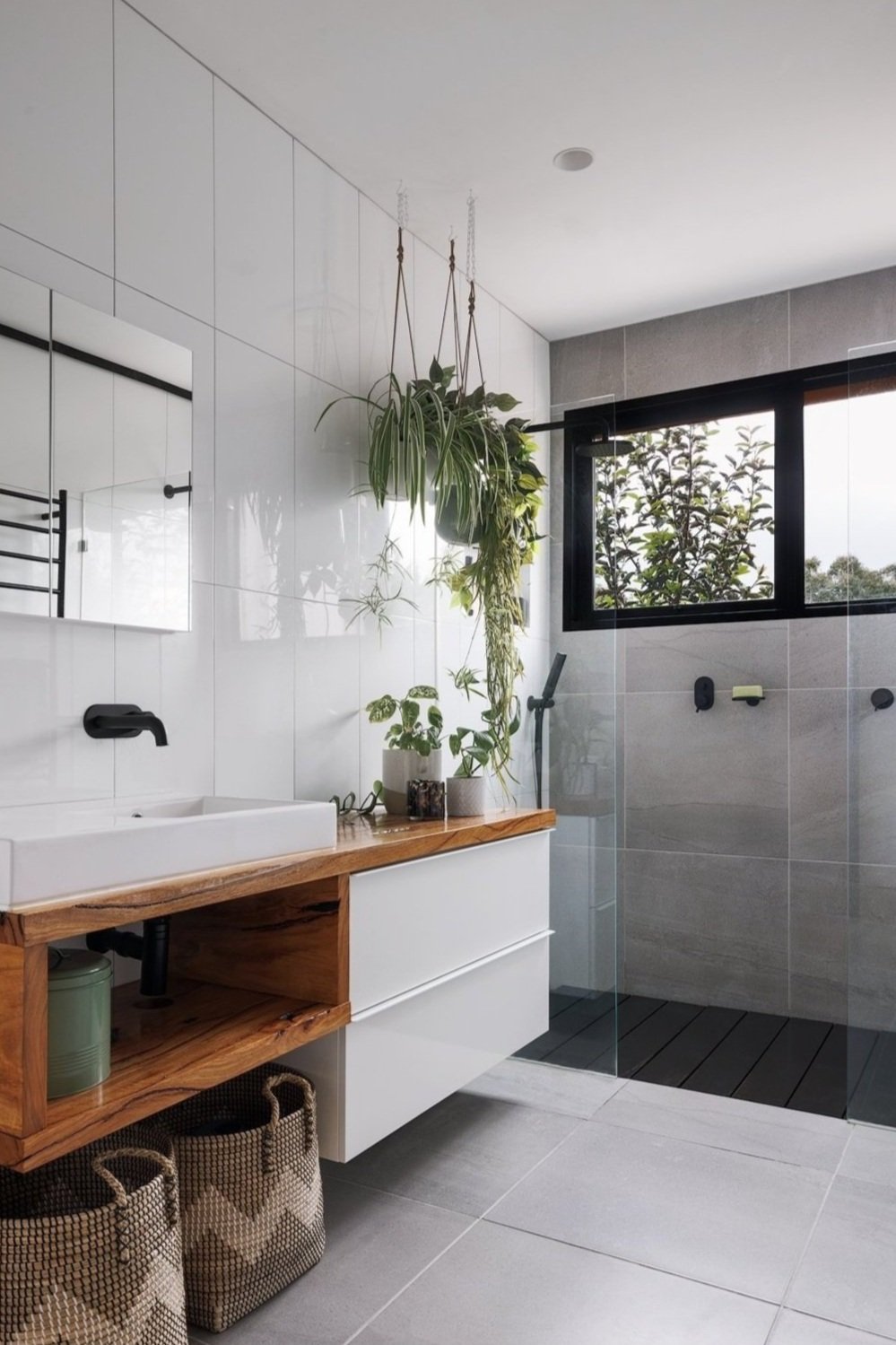
Seed House, Whisker Architecture

Rainforest Retreat, Whisker Architecture
Planning a major renovation or new home?
Book a free 20-minute Clarity Call with Audrey to discuss your project, budget and the decisions that should be resolved before design begins.