How We Design Custom Homes: The 5 Stages Every Homeowner Should Understand
Building or renovating a home is one of the biggest investments most people will ever make — not just financially, but emotionally as well. It is the backdrop to your family’s daily life, where your most important moments will unfold for years to come.
Yet many homeowners begin the process with one big question:
Where do we even start?
At Whisker Architecture, we’ve developed a clear, strategic design process to guide you from initial ideas to a fully resolved design, ensuring that every decision supports how you actually want to live. Whether you're planning a renovation, an extension, or a completely new home, these five stages apply to every project — no matter the scale or budget.
1. Define the Problem (Before We Talk About Solutions)
Many people begin the design process by collecting inspiration — Pinterest boards, magazine clippings, mood boards filled with images of dream kitchens or facades. That’s entirely understandable. But great design starts one step earlier.
The most important question is not what will it look like?
It’s what does it need to do?
In this first stage, we help our clients define their priorities and identify what really matters. For example:
A private, quiet workspace for working from home
A floor plan that allows the shift worker in the family to arrive home without waking a sleeping child
Improved natural light throughout the living areas
Long-term comfort and energy efficiency, such as targeting an 8-star or higher NatHERS rating
The ability to age in place or accommodate multigenerational living in future years
Without clarity at this stage, it’s easy to end up with a home that photographs beautifully — but doesn't truly serve your family’s needs.
This early work is where our Home Masterplan Report provides tremendous value. It allows clients to fully explore options before committing to the full design process, reducing costly surprises down the track.

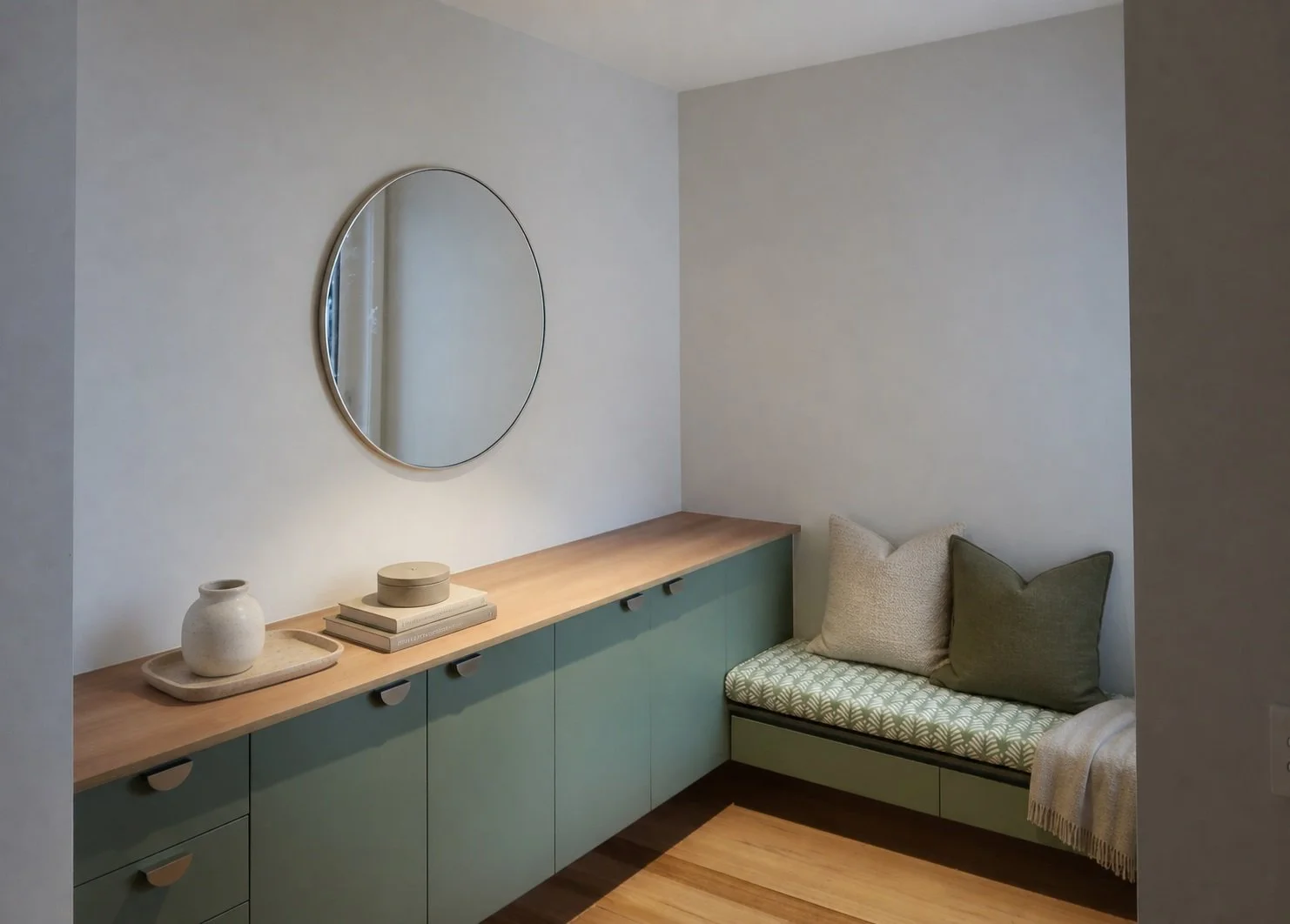
Do you have limited space at the front door? Coats, bags, shoes, keys, and more should all be accomodated within easy reach.
The Smartest First Step Before Designing Your Dream Home
Check out our Home Masterplan Report for expert guidance before you build.

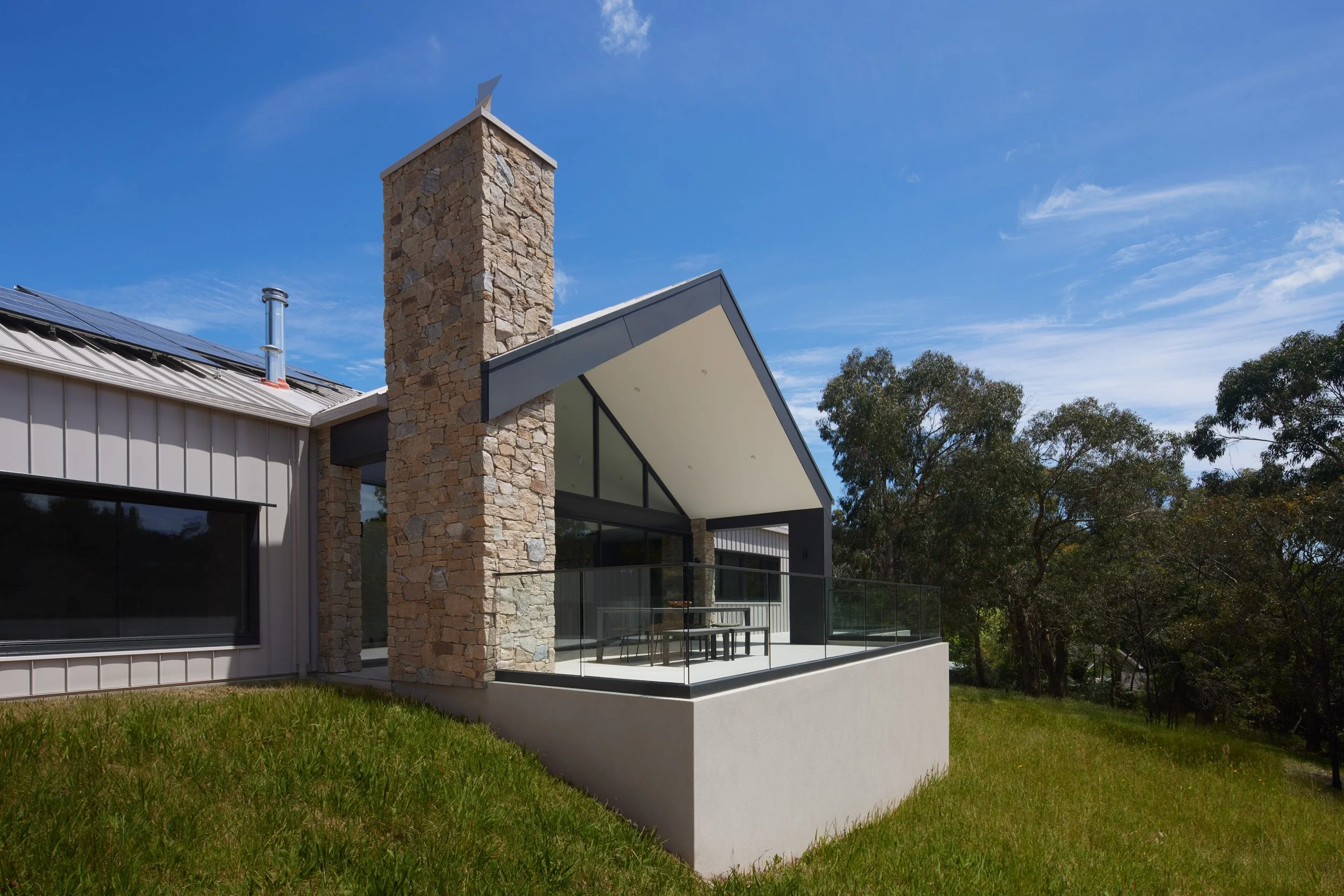
This Beaconsfield family home is bushfire resistant, low maintenance, and designed for a lifetime of memories.
2. Research: Expand the Possibilities
Once we’ve defined your goals, we move into what we call the divergent thinking phase.
At this stage, we stay deliberately open. Rather than rushing to make decisions, we gather information across a wide range of areas:
Construction methods
Building materials
Energy performance strategies
Sustainability technologies
Planning regulations and site constraints
Passive solar design opportunities
Long-term maintenance considerations
This research allows us to explore all viable paths and unlock creative possibilities you may not have considered — especially as we guide many of our clients towards high-performance Custom Homes in Melbourne that balance liveability, sustainability, and longevity.

Many Californian bungalows have the main family access from the side of the house.
3. Curate the Best Options
Once research has been completed, it’s time to narrow the focus.
We work closely with our clients to curate the most promising ideas — the ones that best align with their family’s needs, design preferences, and budget. Often, this involves reviewing multiple design options, creating mood boards, or developing preliminary layouts that help clarify the preferred direction.
Importantly, this is also the moment when homeowners need to curate who’s providing input.
As we often say:
"You engage us for our expertise as design professionals — but you remain the expert on your family, your lifestyle, and your long-term goals."
While well-meaning advice may come from family, friends, or online groups, the most successful projects are those where decisions are anchored by clear priorities and trusted expert guidance.
4. Design: Bringing It All Together
With priorities established and ideas curated, we move into full design development.
This is where we bring together:
The fixed conditions of your site (orientation, slope, views, setbacks)
The opportunities for change (layout, structure, materiality)
Budget realities
The curated design principles established earlier
Whether we're designing a renovation, extension, or new Custom Home in Melbourne, the objective is always the same:
To create a home that is functional, beautiful, sustainable — and deeply personal.
At this stage, we collaborate with trusted Architectural Builders in Melbourne to ensure that design intent aligns with practical construction realities, helping to avoid unnecessary surprises during the build phase.
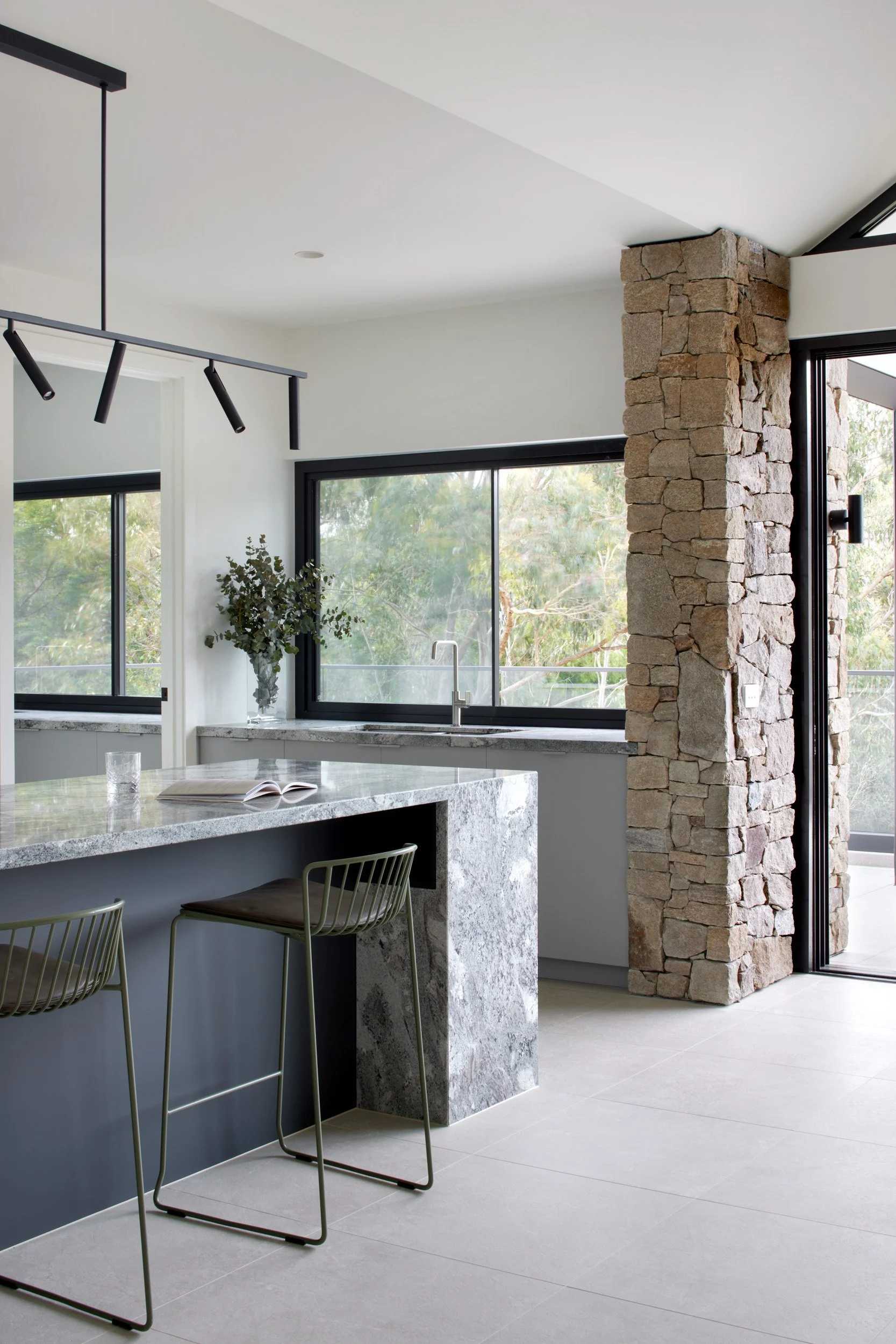
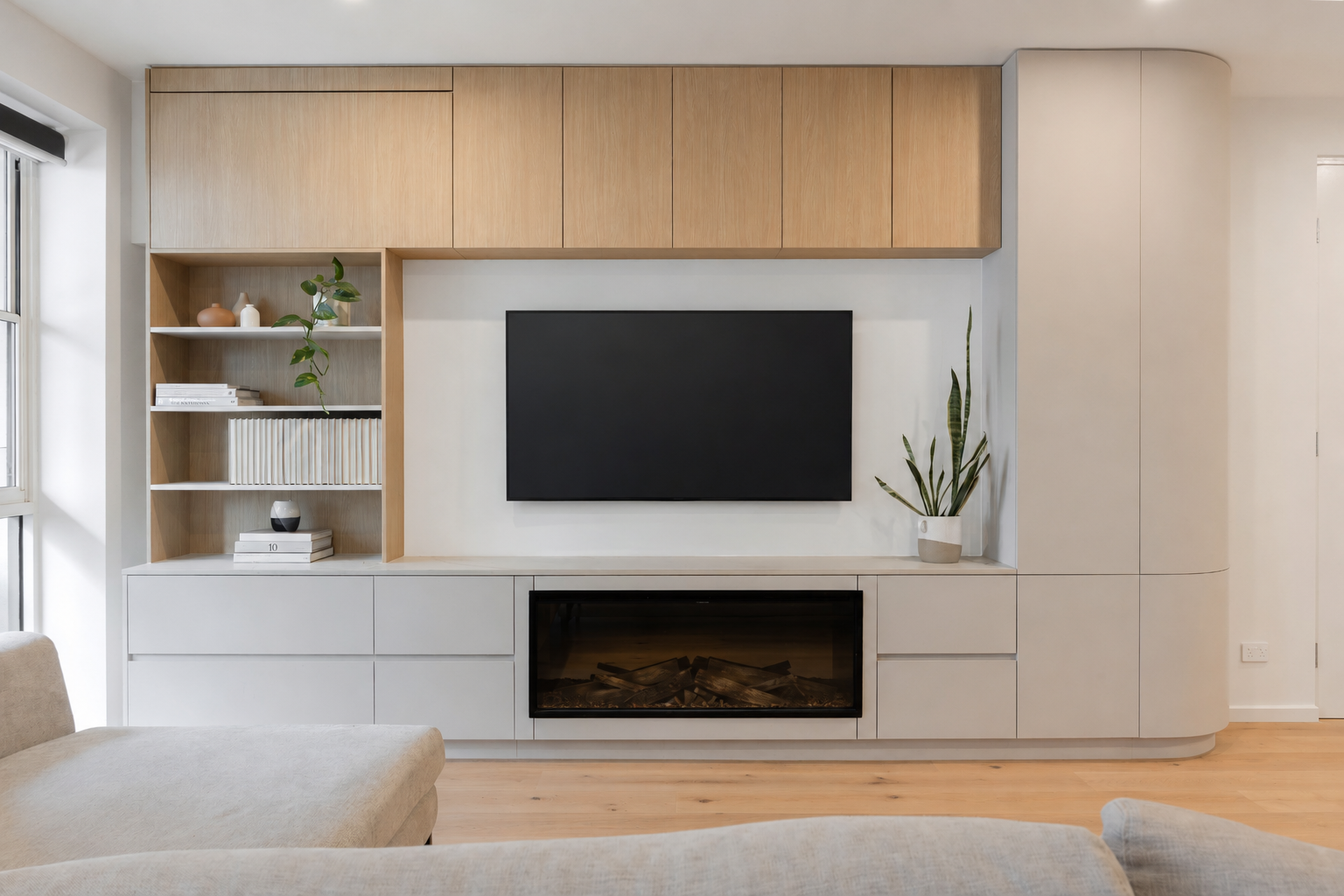
Materiality, light, function, budget and the environment - all in alignment.
5. Refinement: Polishing the Details
Even after the major design work is resolved, there are countless small decisions that can greatly impact liveability and long-term satisfaction.
For example:
Should the kitchen sink go in the island or against the wall?
How should the laundry be configured for future-proofing?
What’s the optimal balance between open-plan and private spaces for your family?
We often run mini-versions of the same design loop — define, research, curate, design — at this micro level to ensure every detail is considered.
This iterative refinement is one of the most valuable parts of working with an architect. You’re not forced to make irreversible decisions too early. Instead, you have the space and expert support to explore options thoroughly.

Why Process Matters
While beautiful images may fill Instagram feeds, truly successful homes emerge from a disciplined, thoughtful process — one that honours both the emotional and practical needs of the people who live there.
At Whisker Architecture, we believe that great design:
Starts with clear priorities
Balances creativity with practicality
Supports how you want to live for decades to come
Anticipates future changes in family life, energy needs, and comfort
If you're planning your own project and feeling overwhelmed by the decisions ahead, you're not alone. Our role is to guide you through this process with clarity, expertise, and care — removing decision fatigue and ensuring that your investment delivers a home that works for you.
The best place to begin?
Our Home Masterplan Report is designed to give you clear direction, accurate cost estimates, and a fully customised roadmap — long before you engage a builder.
Learn more about the Home Masterplan Report here.
Or, if you're ready for an initial chat, you're welcome to book a complimentary 20-minute Clarity Call with Audrey.