Why Great Architecture Needs a Good Project Team
A home is shaped by more than the original design. It is the product of hundreds of decisions made by the client, architect, builder and consultants before and during construction.
A good project team does not mean everyone agrees automatically. It means each person understands their role, shares information early and tests decisions against the brief, budget, contract and design intent.
What each party brings
The client brings lived experience, priorities, decisions and the authority to approve changes.
The architect translates the brief into a coherent design, coordinates information and, where engaged, assists with builder selection and administers the building contract.
The builder brings construction planning, sequencing, trade knowledge, site management and responsibility for carrying out the work under the building contract.
Consultants contribute specialist advice on structure, services, energy, planning, building surveying and other project-specific matters.
The quality of the outcome depends on how well those contributions are coordinated.
Beaconsfield Hillside Home
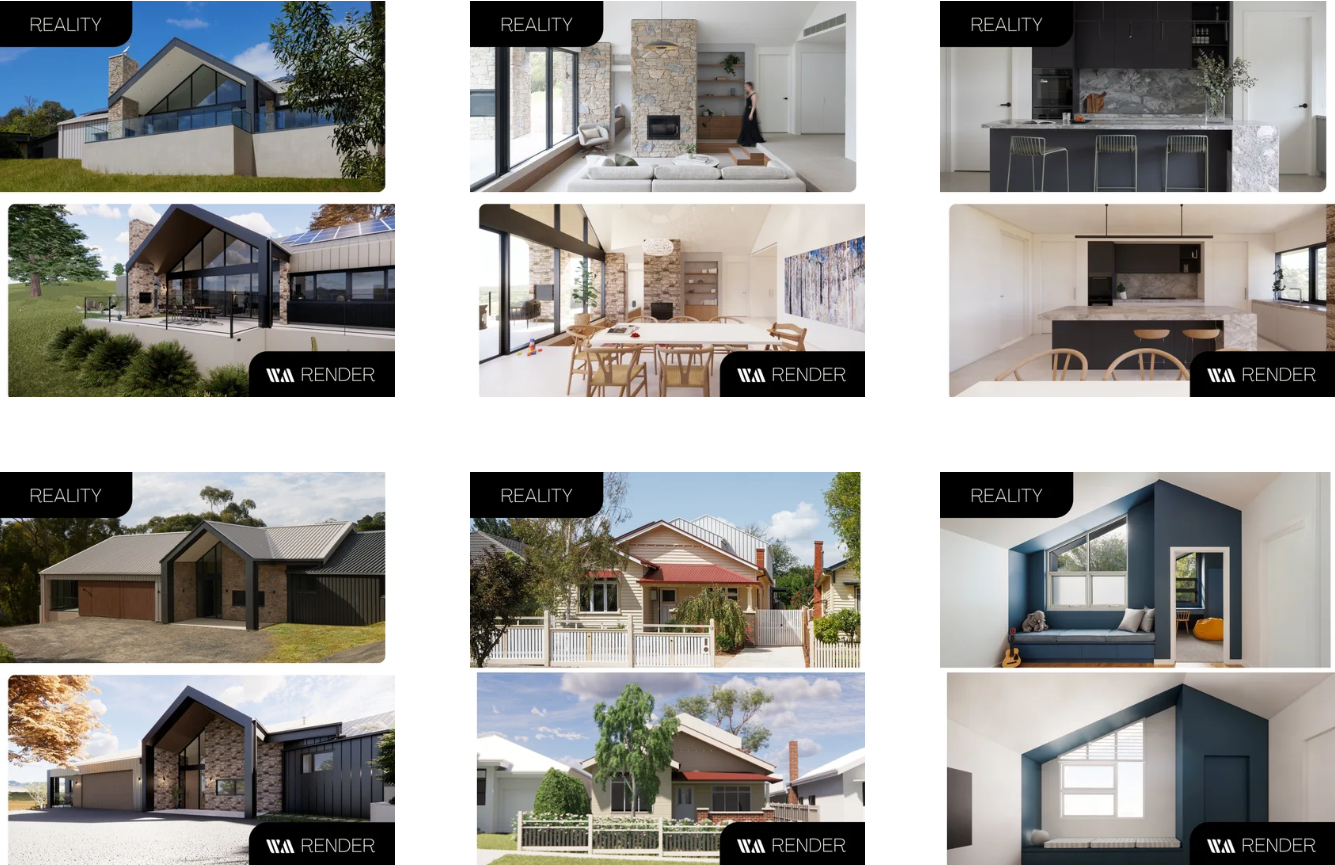
Hillside Home was designed in response to its sloping site and bushland setting. The material palette, structure and building systems required close coordination between Whisker Architecture, the client, Vigor Homes and the consultant team.
Early builder involvement can be valuable when it provides realistic advice about sequencing, buildability and cost without replacing the architect’s responsibility to protect the brief and design intent.
“Having the architect so integrated into the building process is so important. There’s a lot of detailing and design that happens before we as a builder are involved... that trust between us, the client, and the builder is what actually makes it into a reality.”
Matt, Vigor Homes
-
This job is special for so many reasons. Part of that is because of the story that started at the very beginning at concept design stage, really taking inspiration from the surrounding landscape.
And it was really important to us and the clients to really make this a house that is of its space and of its place. Some really impressive design elements here that Whisker Architecture have incorporated is the stone. We've got it flowing through here from the external walls to the internal walls.
Coming out of the ground was quite challenging. The ground floor is all on concrete slab with half of it suspended so we could incorporate hydronic heating throughout. The client was very concerned about the drying effect of air conditioning, so we wanted to go for a radiant heat in this space and that has, I think, created a really seamless look.
I think this project's so successful because of the collaboration between Whisker Architecture and the owners and us. Having the architect so integrated into the building process is so important. There's a lot of detailing and design that happens before we as a builder are involved.
That trust between us, the client, and the builder is what actually makes it into a reality, so it's really important for us to have that collaboration.
During this build we worked closely with Vigor Homes to make sure that we had the best outcome possible. The biggest success for us on any project is a happy client, and our clients have been over the moon.
This project's been really smooth for all parties and we're definitely looking forward to working with Whisker Architecture and supporting them on another project in the near future.
Having a client that gets to the end of a project and they still have only amazing things to say about the design and about the builder, that to me is a massive success.
Richmond Terrace
The Richmond Terrace renovation reworked the home for contemporary living while retaining its Victorian character. The client, Whisker Architecture and Ablaze built the project through a shared understanding of the desired outcome and a willingness to resolve details carefully.
“All the builders on the job were great, all their workmanship was excellent, faultless... Nothing was too much trouble and I’m so, so happy with the result.”
Andrea, homeowner
A positive testimonial does not mean the process contained no difficult decisions. It shows what can happen when issues are discussed openly and resolved by the right people.
-
"Hi, I am Andrea and my partner and I, have recently renovated our kitchen dining area and our laundry and bathroom. We finished off our Victorian home, creating a more modern space that suits our lifestyle of living in this open new area out onto our courtyard, which is an extension of this room.
My favourite part of the kitchen is enjoying the pull-out pantry where everything's stored at ease and certainly makes getting things out to cook a lot easier. Looking for our joinery through the phase of all our planning, and our tiles, and all the hard surfaces was great. Whisker Architecture came along to help me make those decisions.
That was fabulous because obviously you have to deal with living in the house a long time, and we went for neutral tones here, but in the greys and the whites. Given that this is something we wanted to live with for quite some time and thoroughly enjoyed doing that part of the job.
My overall experience with Whisker Architecture was fantastic.
All the builders on the job were, were great, all their workmanship was excellent, faultless. And people working here in the home were great. Nothing was too much trouble and overall really enjoyed the experience and I'm so, so happy with the result."
What good collaboration looks like
the brief and priorities are understood before design decisions are made
the project budget includes construction, consultants, approvals, contingencies and other client costs
drawings, schedules and consultant information are coordinated before pricing
builder questions and buildability advice are addressed without quietly eroding the design
proposed changes are documented with their cost and time implications
the client knows who is responsible for each decision
disagreements are resolved through the contract and the project objectives, not personalities
When should a builder join the team?
There is no single correct point. Some projects benefit from early contractor involvement. Others are better suited to a competitive tender after the design and documentation are developed.
The choice depends on the project’s complexity, market conditions, preferred contract, appetite for price competition and whether a suitable builder is already involved. Early appointment is useful only when the builder’s role, fee, scope and influence on the design are clear.
Start with a clear project strategy
Our Home Masterplan Report helps homeowners clarify the brief, compare strategic options and test budget assumptions before assembling the full project team.
Book a free 20-minute Clarity Call with Audrey to discuss the most useful starting point for your project.