
Designing Healthy Spaces: Creating an Environment for Wellbeing
The spaces we live in influence everyday conditions such as light, temperature, air quality, access and opportunities for connection. Design can respond to those conditions and to the needs of the people using a building. It should not be treated as medical treatment or a guarantee of wellbeing.
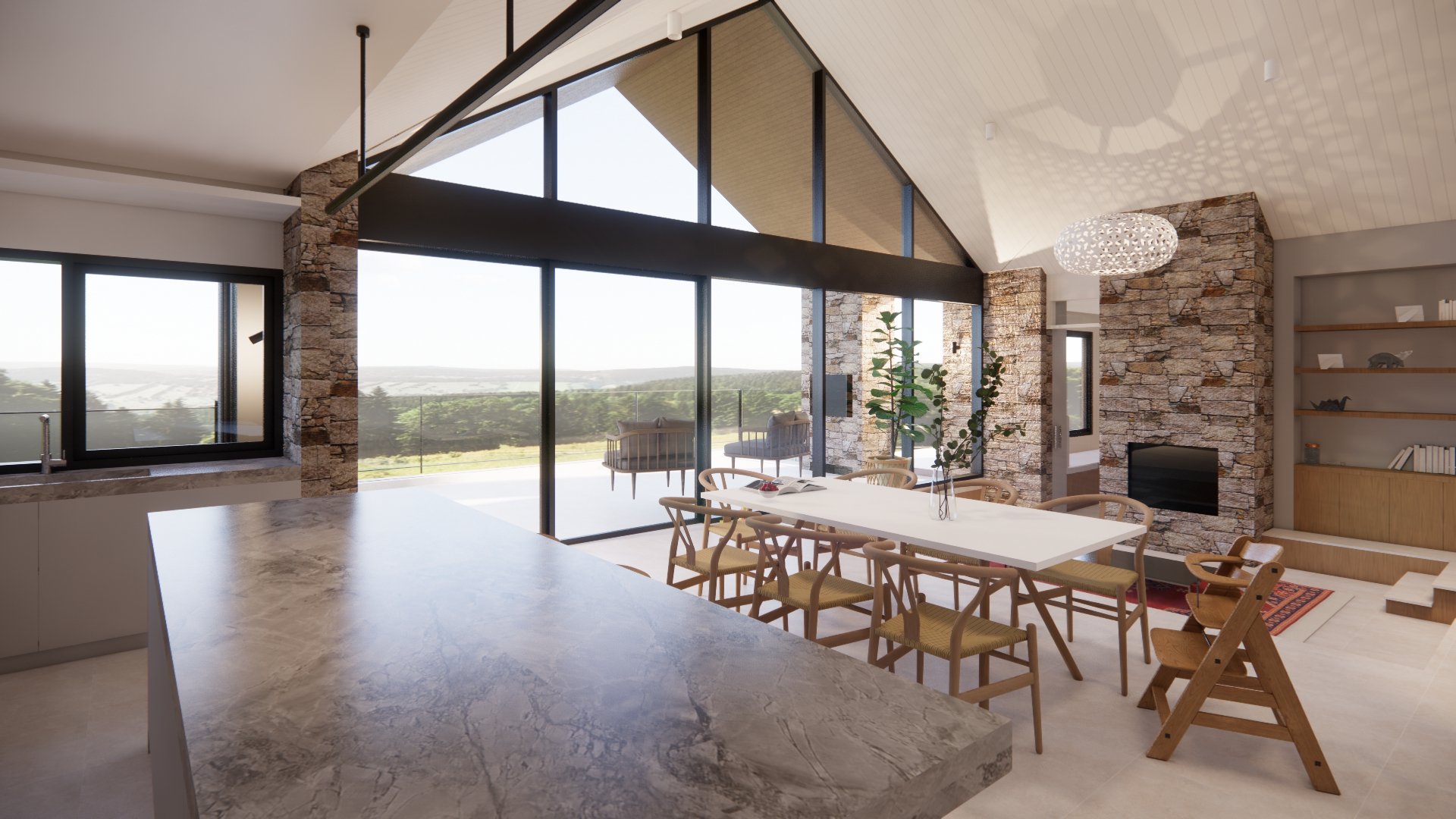
General Health
The WHO Housing and Health Guidelines address risks including unsafe indoor temperatures, crowding, injury hazards and barriers for people with functional impairments. They also bring together guidance on environmental risks such as air quality and noise.
For a home design brief, consider ventilation, moisture management, appropriate temperature control, safe movement and the access needs of occupants. The response depends on the building, its location and the people using it.
Design decisions can support suitable indoor conditions and everyday routines. Assess the specific risk being addressed rather than assuming that a particular layout or material improves everyone’s health.
Designing for Mental Health
People experience spaces differently. A useful brief can explore privacy, connection, daylight, views, noise, sensory needs and opportunities to spend time outdoors.
Provide choices appropriate to the household: places to be together and places to withdraw, with practical control over light, sound and activity. Ask how those settings will be used in everyday life.

These are design considerations, not a diagnosis or treatment plan. Avoid promising that a material, colour, plant, view or room arrangement will prevent depression or anxiety. Where specific health needs shape the brief, work from advice provided by the relevant health professionals.

Designing for Allergies
Allergy needs vary between people. Start with advice from the household’s allergist or medical team, then translate those needs into a design brief.
Design can make cleaning, drying and maintenance easier through accessible storage, cleanable surfaces, good moisture management and a suitable ventilation strategy. Materials should be assessed for their actual emissions, cleaning requirements and suitability for the household; “natural” is not a guarantee that a material is non-allergenic.
Opening windows is not always the right response to outdoor pollen, smoke or pollution. Ventilation and any filtration should be designed for the building and its occupants, with access for maintenance and filter replacement.
These are ways to support indoor conditions and household routines. Architecture cannot diagnose, treat or eliminate allergies. Read our guide to designing a home that is easier to manage with allergies for practical briefing considerations.
Passive House - the Gold Standard?
Passive House is a defined building-performance and certification standard. It combines a well-insulated building envelope, airtightness, appropriate windows, attention to thermal bridges and controlled ventilation. The design and specification must suit the climate and project.
Energy performance, indoor conditions and health outcomes are related, but they are not interchangeable claims. A certified building does not automatically establish carbon neutrality or guarantee a medical outcome.
Climate change and air pollution both affect health. The WHO’s guidance addresses these environmental health risks. It does not establish that a particular certified home prevents illness, and energy performance should not be used as a proxy for a health outcome.
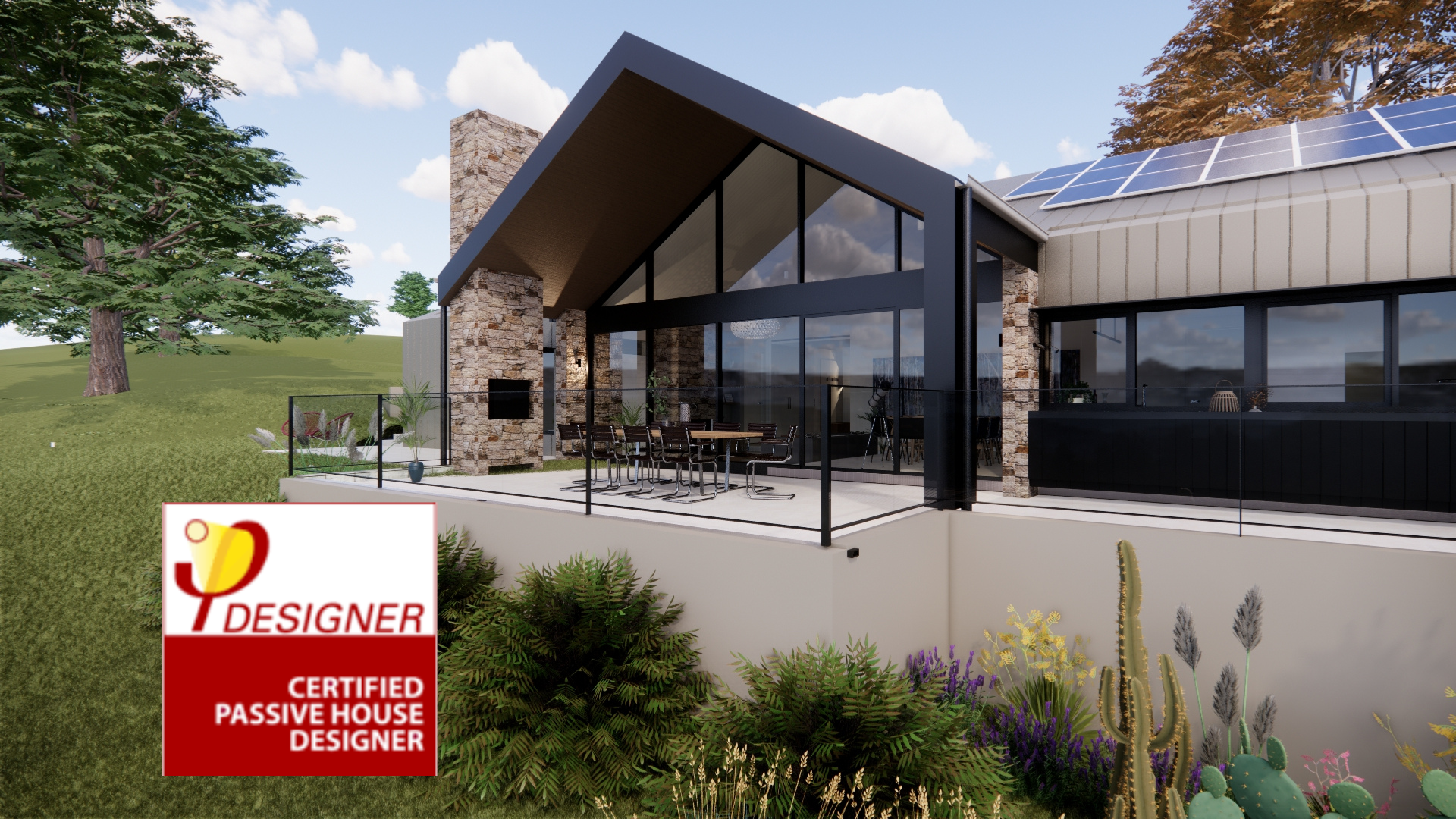
Insulation, temperature control, moisture management and well-designed ventilation can support appropriate indoor conditions. Actual performance depends on the design, construction, commissioning, operation and maintenance. Energy certification does not itself demonstrate prevention of asthma or allergies. Walking and cycling opportunities depend on location and access, rather than the building’s energy certification.
For the distinction between general design principles and certification, see our Passive Design, Passive House and Carbon-Neutral Homes guide.
TLDR
Design influences the conditions in which we live, including temperature, moisture, air quality, accessibility and opportunities for everyday activity and connection. Those conditions can support wellbeing, but design is not medical treatment and cannot guarantee a health outcome. A useful brief combines the occupants’ needs, appropriate professional advice and evidence about the specific risks being addressed.
Sources: WHO Housing and Health Guidelines (2018); WHO climate change and health; WHO household air pollution. These sources support the environmental-health context, not a claim that a particular architectural service cures or prevents disease.