
Home Build Coach, Build Advocate or Architect: Who Do You Need?
Home coaches, build advocates and residential project managers have become more visible in recent years. Their growth reflects something homeowners genuinely need: a knowledgeable person who can explain the process, coordinate decisions and help protect the project from avoidable mistakes.
What many people do not realise is that a full-service architect has long performed most of those functions as part of architectural practice. The architect can guide early strategy, develop the design, coordinate consultants, prepare documentation, assist with tendering and, when appointed, administer the building contract. Unlike a standalone coach or advocate, the architect is also responsible for creating and resolving the design itself.
The exact scope varies by project and appointment. These are the main jobs an architect may perform.

Bungalow Reborn
1. Establish the right project before drawing it
Good design begins with questions: what is not working now, what needs to change, what can remain, what might the project cost and what approvals or site constraints could reshape the brief?
At Whisker Architecture, this early investigation is often completed through a Home Masterplan Report. We test different strategic options before a client commits to a design direction.
This is not about talking a client into building more. Sometimes the most useful outcome is a smaller renovation, staged work, waiting, selling and buying elsewhere, or proceeding with another designer.
Start with the Home Masterplan Report
Explore the scope, options and risks before committing to a design direction.
2. Develop and communicate the design
Once the direction is clear, the architect develops layout, form, materials, light, circulation and the relationship between new and existing spaces. Drawings, models and 3D views help clients understand what they are choosing.
We also coordinate input from surveyors, engineers, energy assessors and other consultants. Each consultant remains responsible for their own work. The architect’s role is to help the parts form a coherent project.

Beaconsfield Hillside Home
3. Home coaching and decision support
Much of what a home build coach provides is structured decision support. A home project involves hundreds of choices, so someone needs to identify which decisions matter now, explain the consequences and record what has been agreed.
An architect performs this role within the design process. You remain the expert in your routines, family and priorities. We bring architectural and delivery experience. The work improves when those forms of knowledge are brought together.
In our experience, clients need honest trade-offs more than false certainty. We will recommend a path, but we will also explain where the answer depends on cost, risk, personal preference or information that is not yet available.
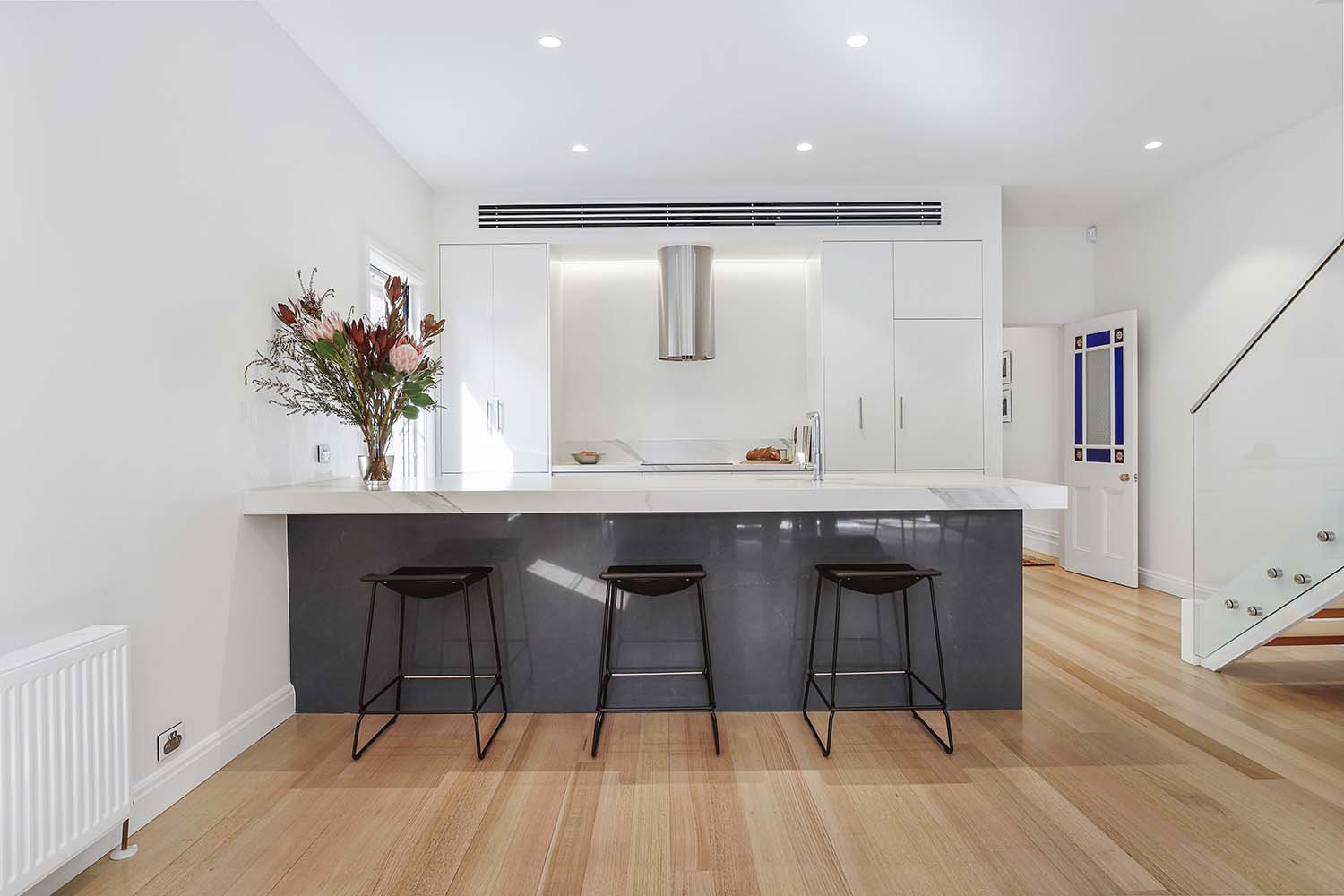
Richmond Terrace, Kitchen
4. Residential project management and contract administration
A residential project manager often helps organise consultants, track decisions and keep information moving. Those functions are also part of a full architectural service, although the exact responsibilities depend on the agreed scope.
If engaged for tendering and construction, the architect can prepare tender information, answer bidder questions, compare tenders and help the client select a builder. During construction, contract administration can include assessing progress claims, reviewing variations, responding to requests for information, inspecting the work at agreed stages and certifying amounts under the contract.
The architect does not supervise the builder’s workers or guarantee that every part of the work is defect-free. Clear appointments and contracts matter because “project management” can mean different things to different people.
5. Build advocacy during tendering and construction
A build advocate may help a homeowner interpret builder quotes, raise concerns and navigate construction decisions. Architects routinely provide much of that support when engaged for tendering and construction, while also understanding the project’s design intent and technical documentation.
Advocacy does not mean automatically taking the client’s side in every disagreement. When administering a contract, an architect must act honestly and fairly when assessing claims and certificates. We can still explain the issue clearly, identify options and help the client make informed decisions.
Choose the role you actually need
Not every project requires an architect from first conversation to final completion. Some clients need early feasibility and strategy. Others need full architectural services, including design, documentation, tendering and construction-stage administration.
Before appointing anyone, ask what is included, what is excluded, who coordinates consultants, who manages approvals and what support continues during construction.
If you are still working out what your project should be, the Home Masterplan Report is our usual starting point. You can also book a free 20-minute Clarity Call to discuss whether Whisker Architecture is the right fit.

Bungalow Reborn Pascoe Vale South, Navy and brass details