Owner Builder, Volume Builder or Custom Builder?
Choosing how your home will be designed and built affects far more than the contract price. It changes how much control you retain, how decisions are made, what can be customised and who carries each risk.
At Whisker Architecture, most of our projects are delivered with custom builders, but we have also worked with owner-builders and alongside other delivery models. None is automatically right for everyone. The useful question is which pathway suits your site, brief, budget, experience and appetite for responsibility.
Owner-Builder: More Control, More Responsibility
An owner-builder takes legal responsibility for managing domestic building work on their own property. That does not necessarily mean completing every trade personally, but it does mean taking on duties that would normally sit with a registered builder.
Possible advantages
• direct control over trade appointments and purchasing
• flexibility in sequencing and decision-making
• potential savings where the owner has suitable experience, time and industry relationships
Important considerations
• significant administrative, safety, compliance and coordination responsibilities
• time demands that are often underestimated
• finance, insurance and future sale implications
• personal responsibility for defects, incomplete work and contractor coordination
In Victoria, an owner-builder certificate of consent is generally required for domestic building work valued above the current statutory threshold, subject to exemptions. Eligibility, training and sale requirements also apply. Check the current Building and Plumbing Commission guidance before deciding.
Our perspective
Seed House was built by an owner-builder, so we know this pathway can support a distinctive result. We generally consider it most suitable for people with substantial construction knowledge, reliable trade relationships and enough time to manage the work properly. For an inexperienced owner taking on a complex home, the apparent saving can come with a very large personal workload.
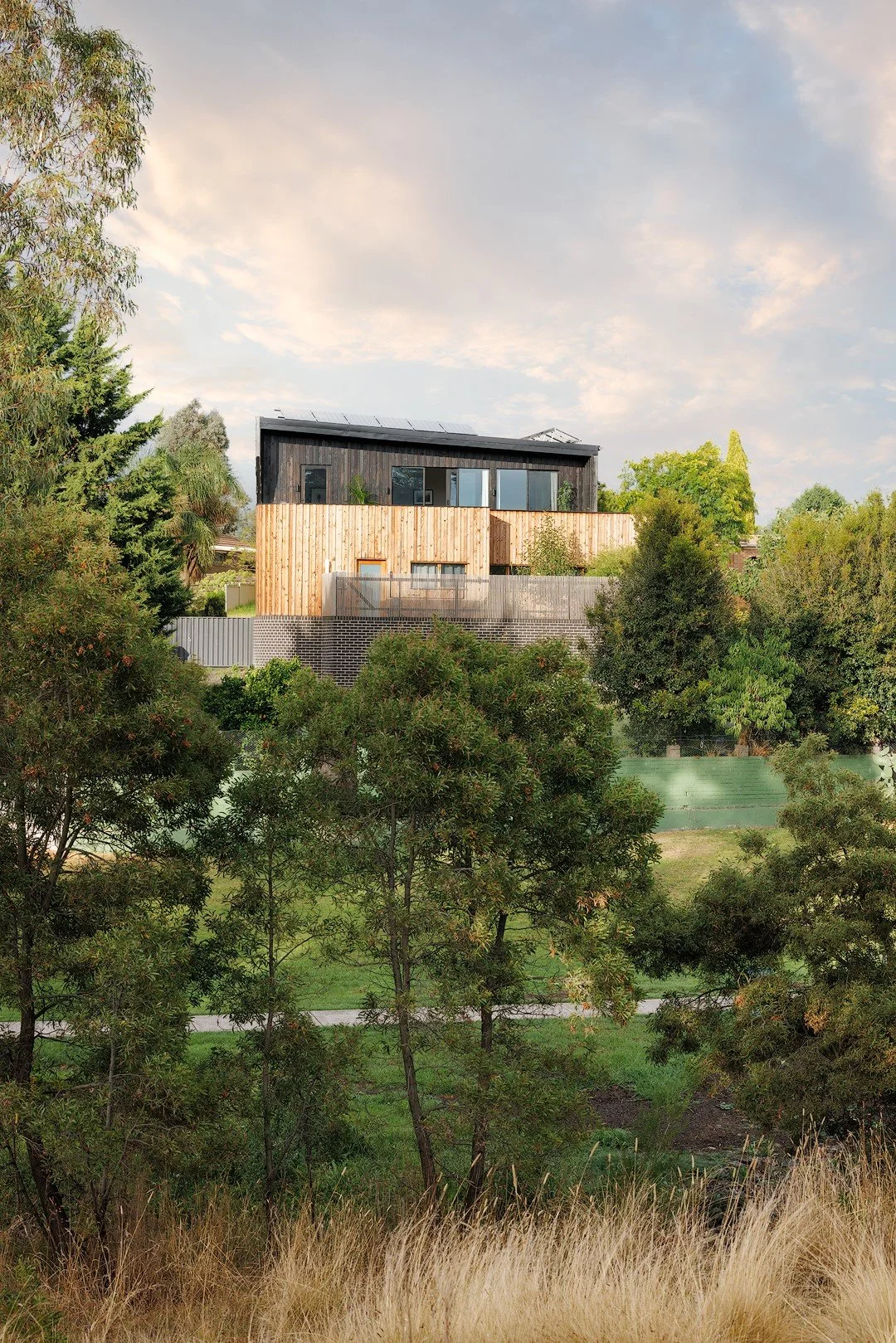
Our Seed House project was delivered by an experienced owner-builder.

Volume Builder: A Standardised Pathway
Volume builders deliver many homes using established plans, inclusions and construction systems. Standardisation can simplify choices and make pricing more predictable at the beginning, particularly on straightforward sites within the builder’s usual operating model.
Possible advantages
• established processes and repeatable house types
• fewer design decisions for the client
• purchasing efficiencies and packaged inclusions
• potentially shorter design and documentation periods
Important considerations
• changes may be limited or priced as upgrades
• plans may respond less closely to a particular site, household or future need
• inclusions, exclusions and display-home upgrades need careful comparison
• the process may not accommodate an independent architect or highly bespoke documentation
Our perspective
We rarely work within volume-builder delivery because our practice focuses on site-specific homes and substantial renovations. That does not make a volume home inherently poor. It means the model serves a different priority: repeatability and a defined product rather than a fully bespoke design process.
Custom Builder: A Project-Specific Build
A custom builder delivers a home developed for a particular client, site and set of documents. Custom builders are often better equipped for complex renovations, unusual sites, detailed architectural work and non-standard materials.
Possible advantages
• greater flexibility in design, materials and construction methods
• closer collaboration with the architect and specialist consultants
• capacity to respond to difficult sites and existing buildings
• pricing based on the actual project documents rather than a standard house type
Important considerations
• bespoke work generally requires more design, documentation and decision-making
• the builder’s experience needs to suit the project type and level of detail
• tender prices can still vary substantially between builders
• custom work is not automatically high quality; capability, systems and communication still need to be assessed
Our perspective
Most Whisker Architecture projects are delivered by custom builders. Our best experiences have come from teams where the architect protects the design and contract process, the builder contributes practical construction knowledge, and the client receives clear advice without being pushed into decisions they do not understand.

A drawing is not literally a line in the building contract, but coordinated drawings, schedules and specifications usually form part of the contract documents. Clearer information helps the client and builder understand the agreed scope and can reduce avoidable ambiguity, requests for information and variations.
Independent Architect or Builder-Led Design?
A separate question is who develops the design. Some builders collaborate with independent architects. Others offer design-and-construct services through employees or external designers. Both arrangements can work, but they create different contractual relationships, incentives and options if the project changes direction.
Before appointing a team, ask who is engaged by whom, who owes duties to the client, what happens if the price exceeds the budget, and what licence you receive to use the drawings.

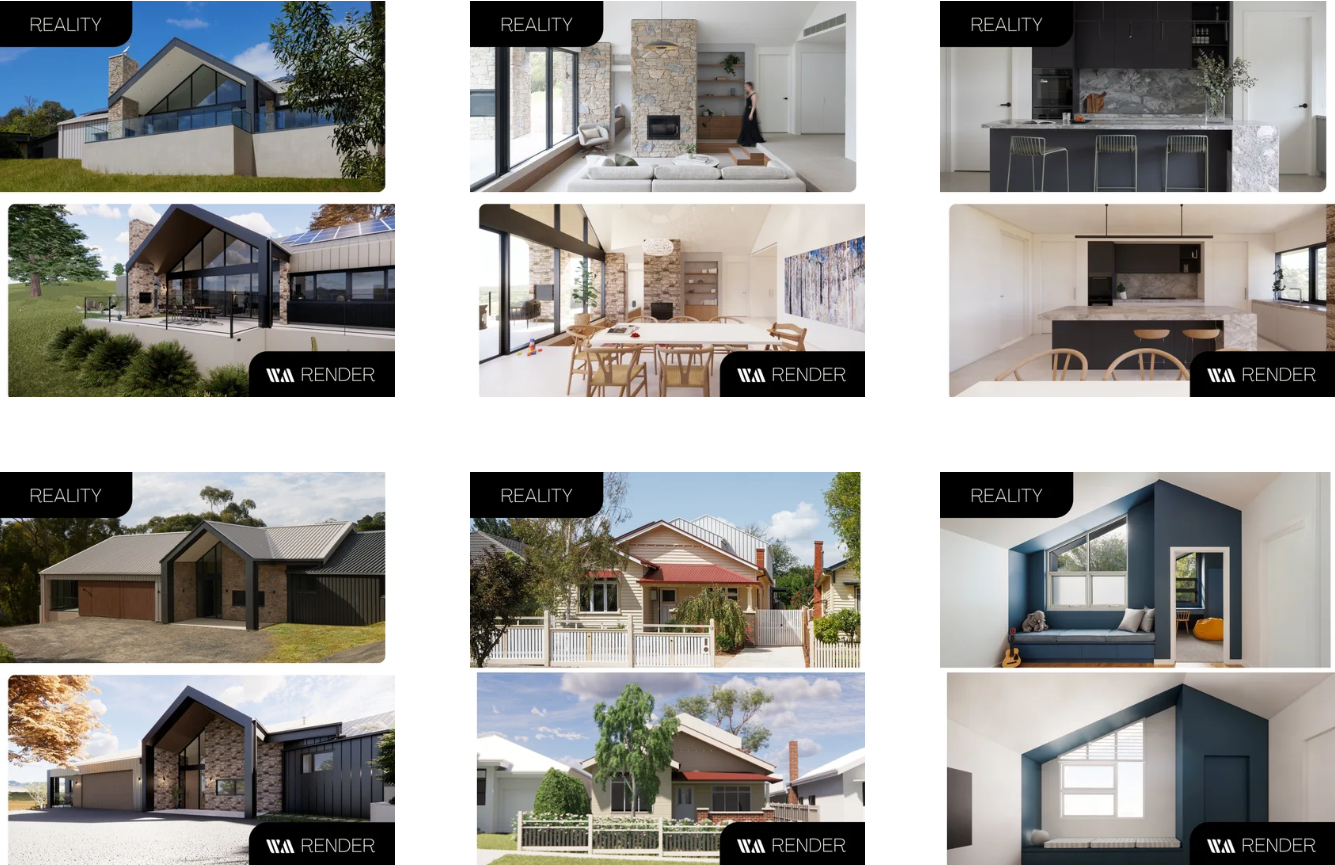
A distinctive site can support a distinctive response, as it did at Bungalow Reborn in Pascoe Vale South.
Builder-Led Design
A builder-led or design-and-construct service may place design and construction under one commercial arrangement. The exact structure varies, so the contract matters more than the label.
What may appeal
• one main point of contact
• early access to the builder’s construction knowledge and preferred systems
• a process aligned with the builder’s suppliers, pricing and delivery model
What to check
• who is providing the design service and what qualifications or registrations they hold
• whether the early price is fixed, an estimate or an allowance
• what happens if the developed design exceeds the budget
• who owns copyright and what licence the client receives to use the drawings
• whether the design can be priced or built by another builder
• whether independent contract administration is available during construction
One prospective client described spending more than eight months and $10,000 developing a home through a builder before the construction price returned well over budget. They then discovered that their agreement did not allow them simply to take the design to another builder. That is one person’s experience, not a feature of every builder-led service, but it illustrates why copyright, licensing and exit terms should be understood before paying design fees.
Independent Architect
An independent architect is appointed directly by the client. Depending on the agreed scope, the architect may develop the brief and design, coordinate consultants, prepare approval and construction documents, assist with builder selection and administer the building contract.
Under our agreements, Whisker Architecture retains copyright and grants the client a licence to use the documents for the agreed project, subject to the agreement’s terms. That distinction matters: paying for drawings does not automatically transfer copyright, and licences differ between providers. The client should check the written terms rather than assume they can reuse or transfer a design.
Working with an independent architect may allow more than one suitable builder to price the same developed scope. Competitive tendering is not always the best procurement method, and it does not guarantee the lowest final cost, but it can provide useful market comparison when the documents and tender conditions are consistent.
Budget and Feasibility
Neither an architect nor a builder can guarantee an early construction price before the scope and documentation are sufficiently developed. We use independent cost-planning tools, including ProCalc, within our Home Masterplan Report to compare options and establish a more complete project budget. It remains a forecast, not a tender or fixed construction quote.
Sustainability From the Beginning
Early design decisions influence orientation, glazing, shading, insulation, airtightness, ventilation, materials and future adaptability. Addressing these matters before the design is fixed usually gives the team more useful choices than adding products at the end. The aim is a home that is comfortable, durable and appropriate to the client’s values, not a generic sustainability checklist.
What Does the Research Say About Design Value?
A 2020 University of Melbourne and ArchiTeam study compared a defined sample of renovated, detached Melbourne homes. It found that the small-practice architect-designed group achieved stronger capital growth than the comparison group, including a reported $11.40 in capital appreciation for every dollar spent on architectural fees.
That is encouraging research, but it is not a promise that every architect-designed project will produce the same financial return. The study concerned a particular property type, market and period. Site, purchase price, construction cost, design quality and market conditions all affect resale value.
The value our clients usually feel first is more immediate: a home that supports daily routines, uses space intelligently, responds to climate and can adapt as life changes.
Start Before You Choose the Delivery Path
Our Home Masterplan Report helps you test the brief, site constraints, design possibilities and likely project budget before committing to a builder or detailed design. It includes:
• an on-site briefing and site review
• planning and constraint analysis
• three distinct design pathways, with a further strategy where useful
• independent cost guidance for each pathway
• a forecast of broader project costs, not only the construction contract
It cannot remove every uncertainty, but it can reveal mismatches between ambition, site and budget while there is still time to change direction.
Book a free 20-minute Clarity Call with Audrey through our website if you would like to discuss which first step suits your project.
Your Options at a Glance
Owner-builder
Offers direct control but places substantial legal, administrative and coordination responsibility on the owner. Best suited to people with relevant experience, time and reliable trade relationships.
Volume builder
Offers a standardised product and process, often with fewer design decisions. Best suited to clients who are comfortable working within a defined plan, specification and upgrade structure.
Custom builder
Builds a project-specific design and can accommodate complex sites, renovations and detailed architectural work. The builder’s capability still needs to match the project.
Independent architect
Works directly for the client within an agreed scope and may support design, documentation, procurement and contract administration. Copyright, licensing and services must be confirmed in the written agreement.
Best first step
Define the brief, constraints, budget and responsibilities before committing to a delivery model.