Engineered Stone and Silica in Victorian Construction: What Changed
Updated 5 October 2026
Victoria’s rules for engineered stone have changed substantially since this article was first published. The earlier discussion below has been replaced with current guidance so homeowners can start material decisions from the rules that apply now.
The engineered-stone ban is in force
From 1 July 2024, Victoria prohibits work involving the manufacture, supply, processing and installation of engineered-stone benchtops, panels and slabs, subject to limited exceptions and an exemption process. WorkSafe Victoria’s Engineered stone compliance code, Edition 3, took effect on 17 April 2025.
Products covered by the prohibition should not be specified or installed for new work.
Why silica still matters
Crystalline silica occurs in many construction materials. Cutting, grinding, drilling and polishing can release dust that presents an inhalation risk.
The ban does not make every alternative automatically safe. The material, task, exposure and controls all matter; a percentage on a product sheet cannot establish a safe installation method.
Our former office benchmark of 20 per cent silica content pre-dated the ban. We no longer use that benchmark as a proxy for safety, and the old percentage table and approved-products list have been removed.
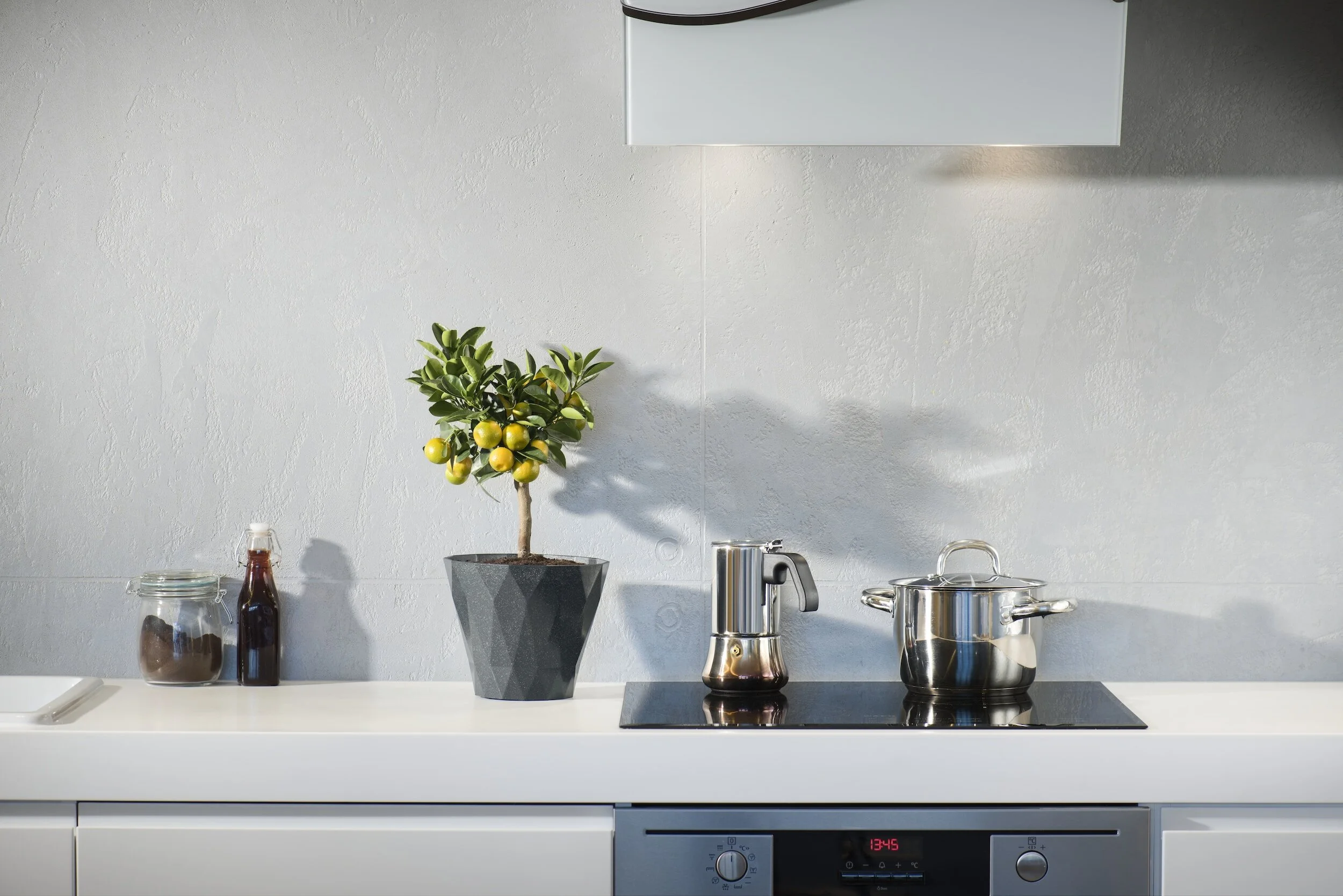
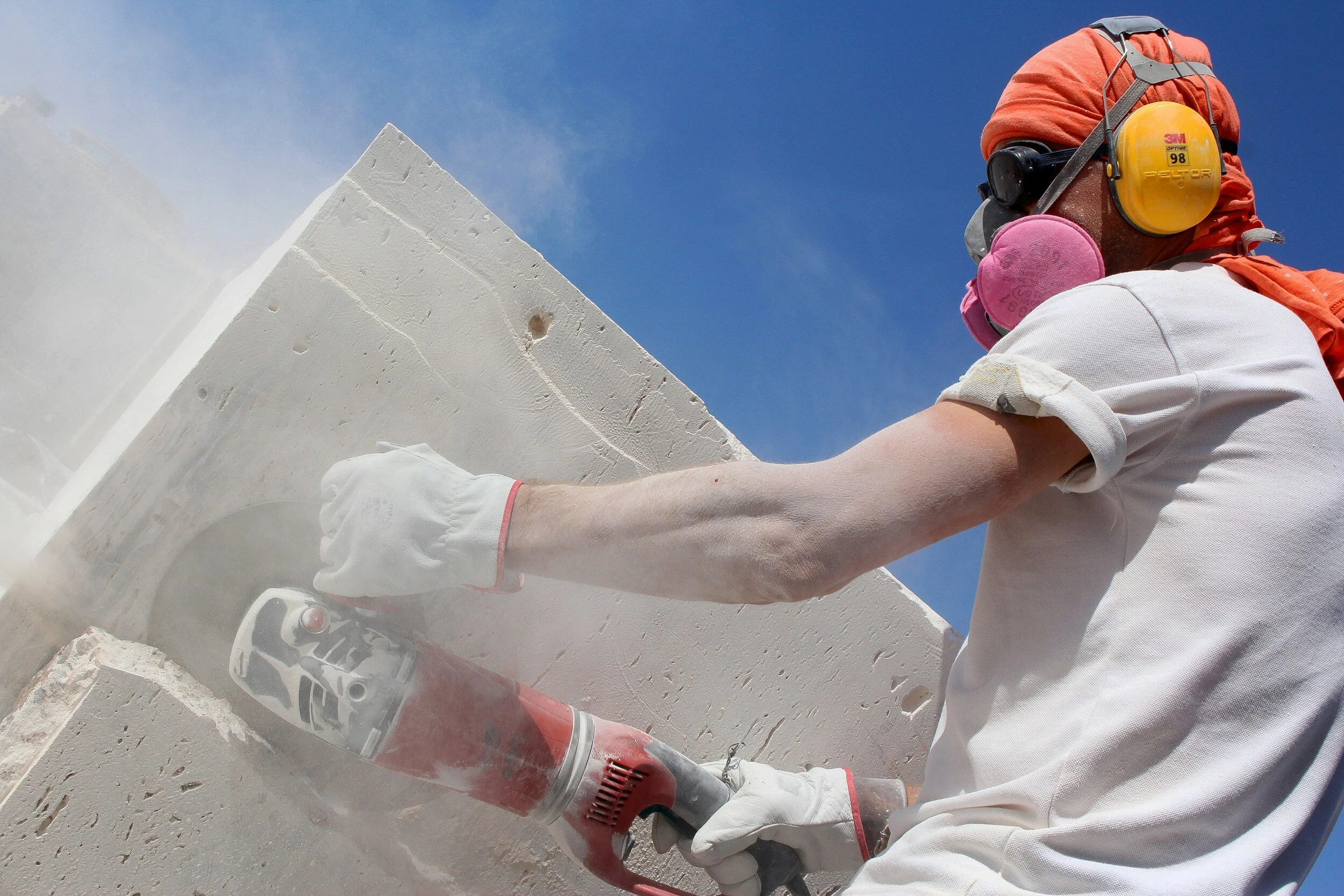
Material selection, buildable details and safe work methods need to be considered together.
Existing engineered stone
Existing installations may need repair, minor modification, removal or disposal. These activities fall within limited exceptions and remain subject to controls. Homeowners should engage qualified trades rather than attempting the work themselves.
Safe Work Australia’s engineered-stone guidance explains the national framework and points readers to their state regulator. WorkSafe Victoria’s requirements govern Victorian work.
Review alternatives carefully
Natural and manufactured alternatives need current technical information and safety data sheets. Product labels such as “low silica” should not replace review of dust risks and contractor controls.
Durability, maintenance, repairability, cost and environmental impact also matter to a home’s specification. None of those considerations establishes that a product is safe to process without appropriate controls.
Design decisions that can help
Depending on the project, useful questions include:
Is the product lawful to supply and install?
Is current technical and safety information available?
Can dimensions and details reduce cutting on site?
Can components be prepared in an appropriately controlled environment?
Who is responsible for confirming and carrying out compliant work methods?
Architectural documentation supports coordination; it does not replace contractors’ workplace-safety duties.
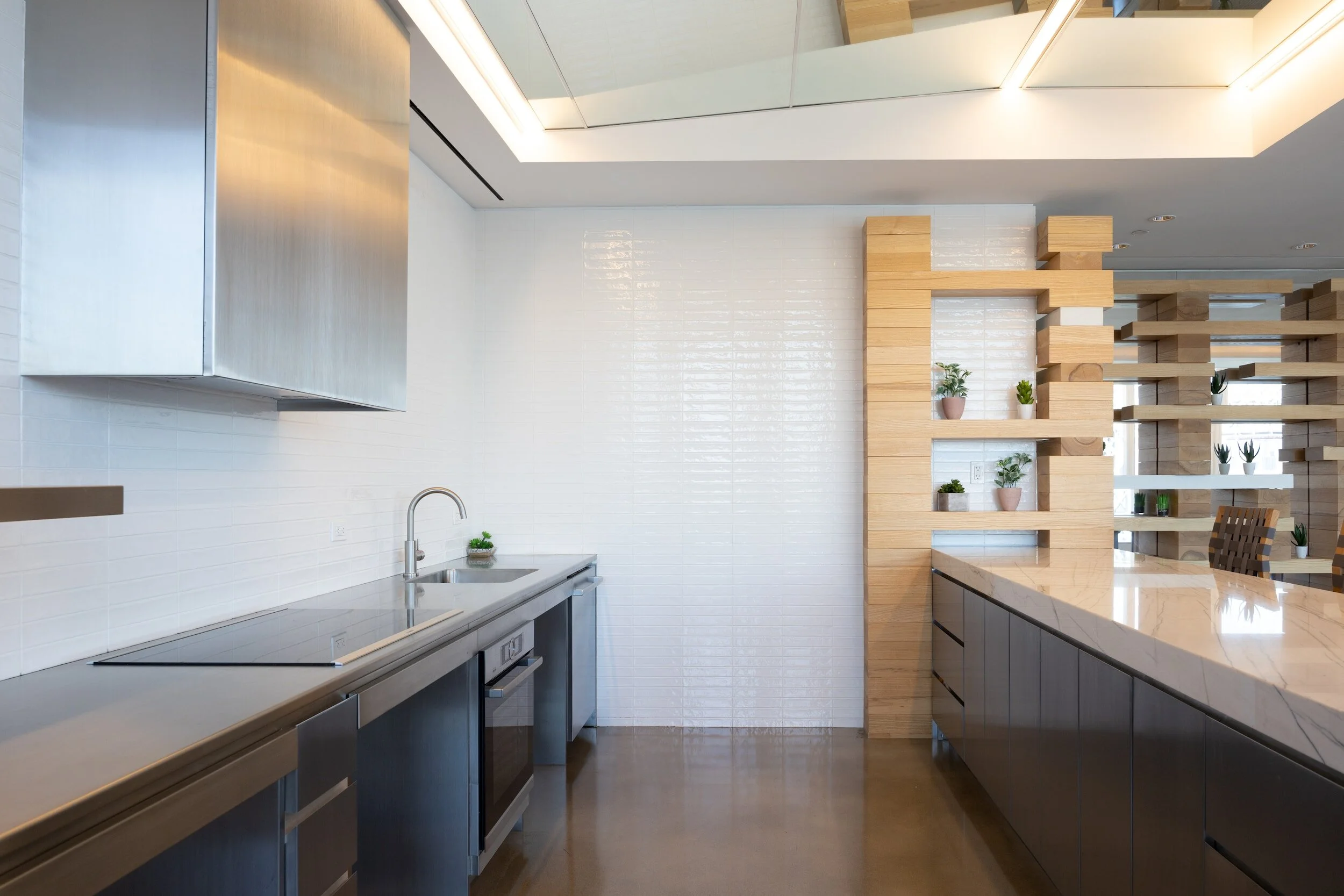
Stainless steel is one benchtop option to assess against the project’s practical requirements.
Fibre-cement cladding is also a construction material whose processing and installation need appropriate safety controls.
Use current official guidance
Regulations and product information can change. Use WorkSafe Victoria’s current engineered-stone guidance for the prohibition, exceptions and control duties. Contractors and other duty holders should confirm the requirements for their work and obtain project-specific safety advice.
Planning a durable, carefully considered home?
Explore our sustainable design approach, or use the Home Masterplan Report to compare planning, layout, scope and budget decisions before detailed design begins.