The Value of Architecture: Evidence and Project Context
Architecture can contribute value through better use of space, a more appropriate brief, coordinated decisions and attention to the building’s performance over time. Financial and health outcomes depend on the project and its context; they cannot be promised from a general statistic.
Little Known Statistics
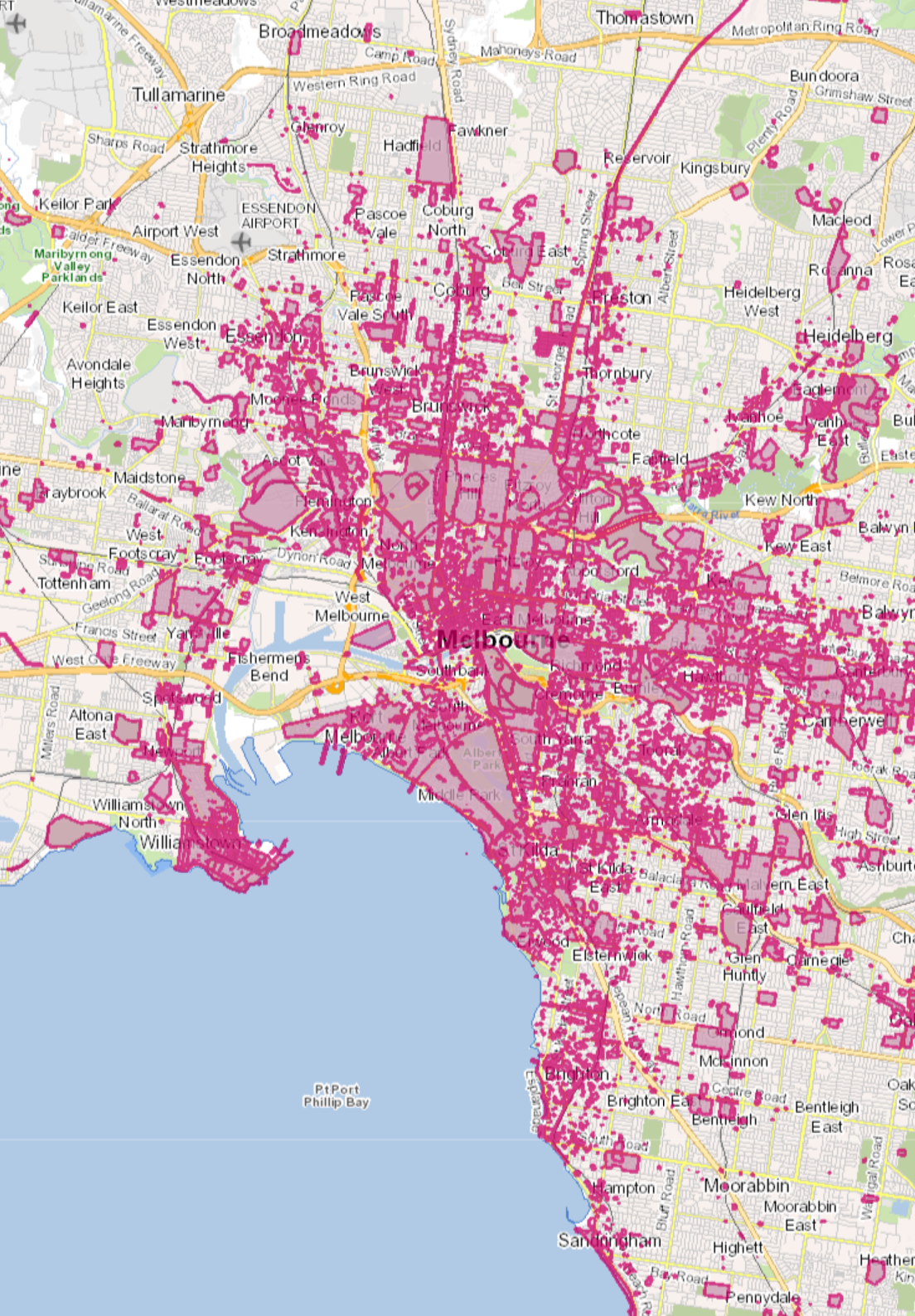
The University of Melbourne and ArchiTeam RAsP study compared two pools of 22 Melbourne properties using historical data. Its report included an illustrative projection of a $256,000 value increase over ten years, starting from a $1.2 million property. That was a modelled example, not an observed ten-year result for every homeowner or a forecast for today’s market.
It should not be used to promise a return on an individual project. Location, purchase price, scope, construction and professional costs, market conditions and timing all affect the outcome.
Historical research should be read with its sample, method and assumptions in view. A current independent valuation and project budget are more relevant to a decision about a particular property.
Homeowners & Owner-occupiers
A useful design can respond to family routines, access needs, comfort and future change. Decisions about layout, light, storage and materials should be tested against what matters to the people using the home.
Energy-efficient design can reduce the modelled heating and cooling demand of a particular building. Actual energy use and bills also depend on climate, equipment, tariffs, occupancy and operation; an energy rating is not a guaranteed bill reduction.
The WHO Housing and Health Guidelines address risks including unsafe temperatures, crowding, injury hazards and accessibility. They support attention to those conditions, but do not establish a guaranteed health benefit from hiring an architect.


Property Investors
Design decisions can affect usability, maintenance requirements and the appeal of a property. Rental income, resale value and vacancy depend on the wider property market and the actual asset, as well as the design.
Assess likely rent, capital value, maintenance and operating costs through project-specific research and appropriate independent advice. Do not assume that a design intervention will achieve a fixed rental premium or capital gain.
Businesses and Brands
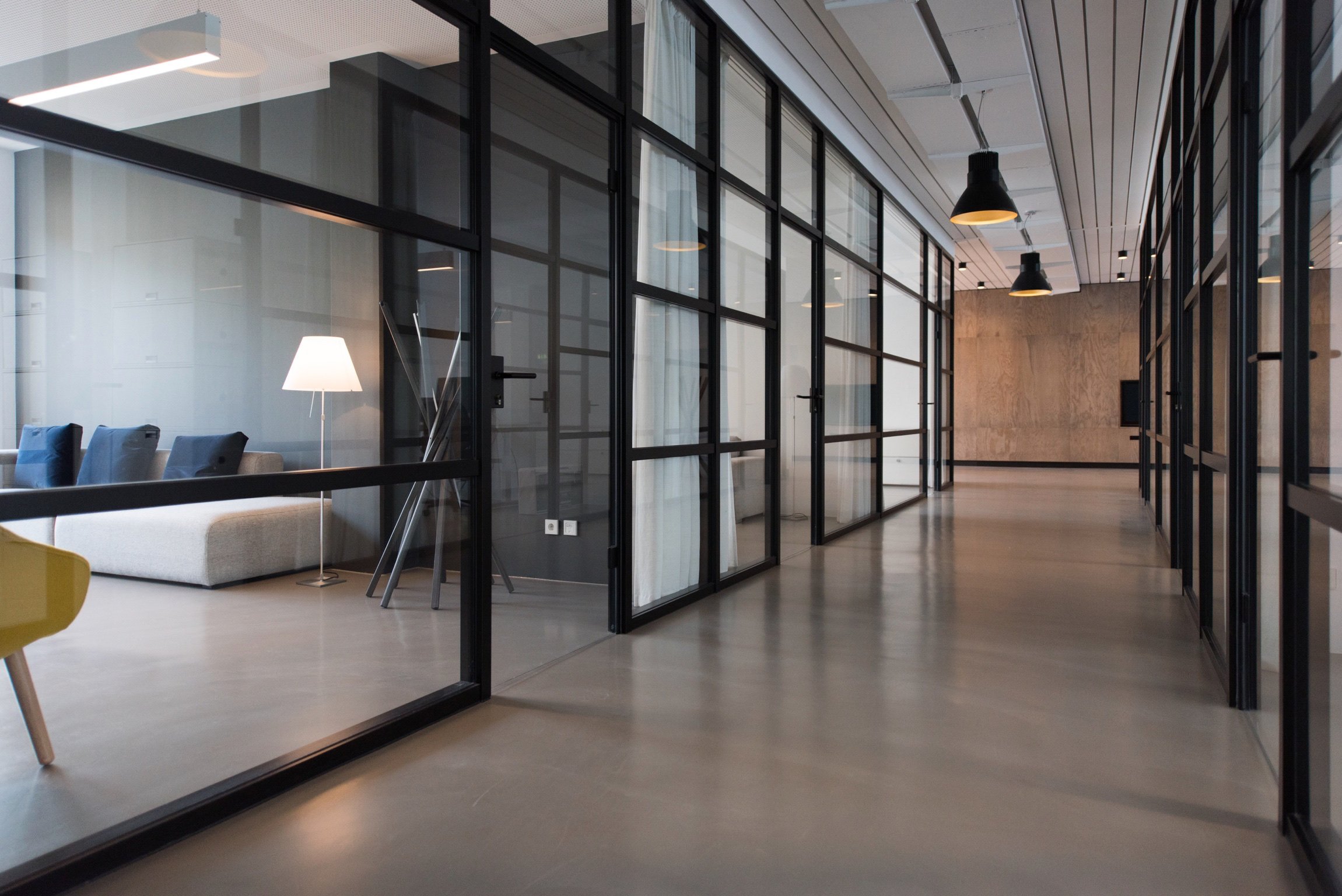
Workplace design can respond to operational needs, identity, accessibility and the activities people undertake. The brief should identify how any proposed benefit will be assessed.
General survey figures cannot establish that a building will cause a particular retention rate, productivity improvement, reduction in sick days or financial return. Those outcomes depend on many organisational and individual factors.
Before investing, define the problem, compare options and decide what evidence would demonstrate value for this project.
Sources: RAsP final report (2020), university research report; WHO Housing and Health Guidelines (2018); Australian Government guidance on home energy ratings.